Every year, businesses invest in new tools, systems, and platforms hoping to become more efficient, modern, and competitive.
Yet many end up with the opposite result — bloated systems, disconnected tools, rising costs, and teams that are more confused than empowered.
The problem isn’t technology.
It’s the absence of strategy.
When Systems Don’t Talk, Teams Suffer
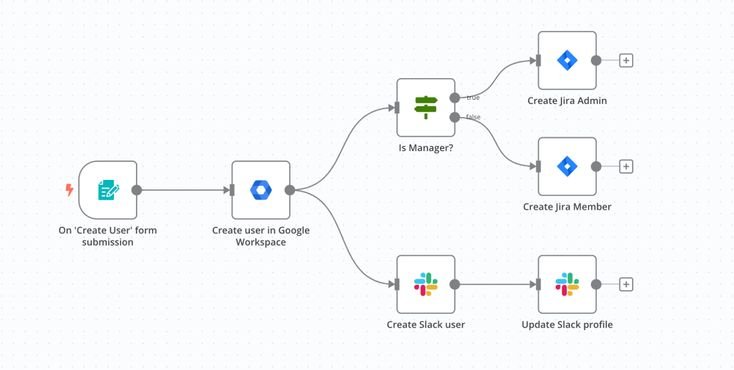
One of the clearest signs of poor technology strategy is fragmentation.
Data lives in different places. Tools don’t integrate. Information is manually transferred from one system to another. What should be automated becomes repetitive, and what should be clear becomes confusing.
The cost isn’t just financial.
It’s lost time, reduced productivity, and delayed decision-making.
Technology Should Solve Problems, Not Create Them
Every system introduced into a business should answer a simple question: What problem does this solve?
When technology is implemented without understanding existing processes, it often introduces friction instead of removing it. Teams are forced to adapt their work around tools rather than tools supporting how work is actually done.
The result is resistance, inefficiency, and wasted potential.
Strategy Comes Before Software
Effective technology strategy starts with understanding people, processes, and objectives — not platforms or features.
It asks:
How does the business operate today?
Where are the real bottlenecks?
What does growth look like in the next few years?
Only then does it make sense to design or select systems that support those answers.
Good strategy creates alignment.
Alignment creates momentum.
The Hidden Risk of Short-Term Thinking
Many technology decisions are made to solve immediate problems without considering long-term implications.
Systems that work today may struggle tomorrow. Security gaps emerge. Scalability becomes expensive. Rebuilding becomes inevitable.
Long-term thinking doesn’t slow innovation — it protects it.
What Strategic Technology Actually Looks Like
When technology is guided by strategy, it feels intentional.
Systems integrate smoothly. Data flows naturally. Teams understand why tools exist and how they contribute to larger goals.
Technology stops being a cost center and starts becoming a competitive advantage.
The Role of IT Consultancy in Growth
This is where thoughtful IT consultancy matters.
A good consultant doesn’t sell tools. They ask questions. They assess risks. They design roadmaps. And they help organizations make informed decisions that balance performance, cost, and sustainability.
The goal is clarity — not complexity.
Final Thought
Technology on its own is powerful.
But without direction, it becomes noise.
Businesses that win are not those with the most tools, but those with the clearest strategy behind them.
When technology and strategy move together, growth becomes deliberate, sustainable, and scalable.
Before Your Next Tech Decision
Pause. Ask why.
And build with intention.