Why Small Teams Are Benefiting the Most
One of the biggest myths about AI is that it’s only for large corporations with massive budgets.
In reality, small and medium-sized teams often gain the most from automation. When resources are limited, removing manual work has an immediate impact.
AI allows small teams to:
The result isn’t fewer people — it’s more capable teams.
Automation Is About Focus, Not Speed
Speed alone doesn’t create growth. Focus does.
Many businesses are busy but not productive. Tasks pile up, systems don’t talk to each other, and important work gets delayed by repetitive processes.
AI-powered automation removes friction from daily operations. It ensures that routine tasks happen reliably in the background, freeing teams to focus on strategy, creativity, and growth.
When done right, automation feels invisible.
You only notice it when things suddenly work better.
Where AI Actually Makes Sense
Not every problem needs AI. And forcing automation where it doesn’t belong often creates more complexity than value.
The most effective AI implementations are focused and intentional. They support existing processes rather than disrupting them.
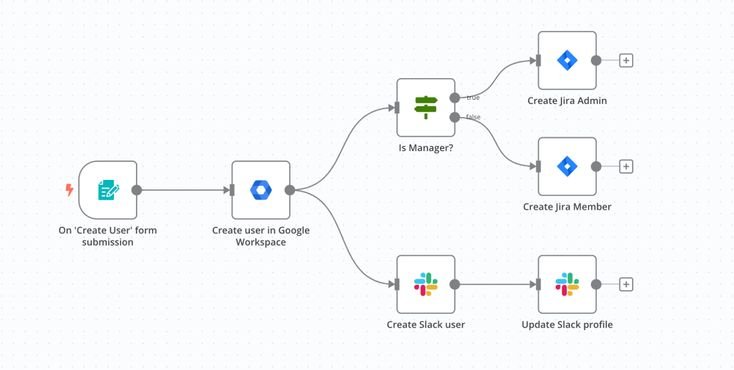
Common examples include workflow automation, intelligent reporting, customer support assistance, data analysis, and system integrations. These are areas where AI quietly improves accuracy and consistency without changing how people think or work.
The Risk of Chasing AI Trends
As AI becomes more popular, many businesses feel pressure to “do something with AI” without understanding why.
This leads to rushed implementations, disconnected tools, and systems that look impressive but deliver little value.
Technology without strategy is expensive — and AI is no exception.
Smart organizations start with questions, not tools.
They ask where time is being lost, where errors occur, and where automation could create meaningful impact.
AI as a Long-Term Advantage
When integrated thoughtfully, AI becomes a foundation for growth rather than a temporary upgrade.
It scales with the business.
It adapts to changing demands.
And it continuously improves decision-making over time.
The goal isn’t to replace people.
It’s to empower them.
Final Thought
AI is not a shortcut to success.
It’s a multiplier.
Businesses that pair automation with clarity and strategy move faster, make better decisions, and stay ahead of those still relying on manual processes.
The future doesn’t belong to businesses that use AI everywhere.
It belongs to businesses that use it wisely.
Thinking About Automation?
Start small. Start smart.
And build systems that work for you — not the other way around.